
Why All-in-One Biometric Devices Reduce Deployment Costs
When planning a biometric enrollment project, many organizations focus on the cost of individual hardware components. However, the true cost of deployment goes far beyond the price of a tablet or fingerprint scanner.
Choosing an all-in-one biometric device can significantly reduce deployment costs by simplifying installation, minimizing accessories, and improving operational efficiency.
What Is an All-in-One Biometric Device?
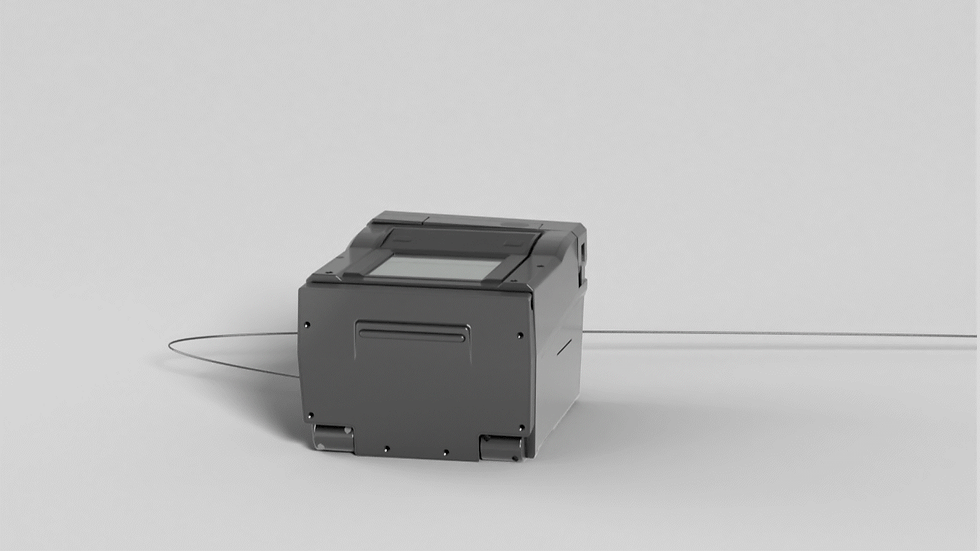
An all-in-one biometric device combines multiple identity capture technologies into a single platform.
Instead of carrying several independent devices, operators have everything they need in one rugged solution.
Depending on the configuration, an all-in-one device may include:
Fingerprint scanner
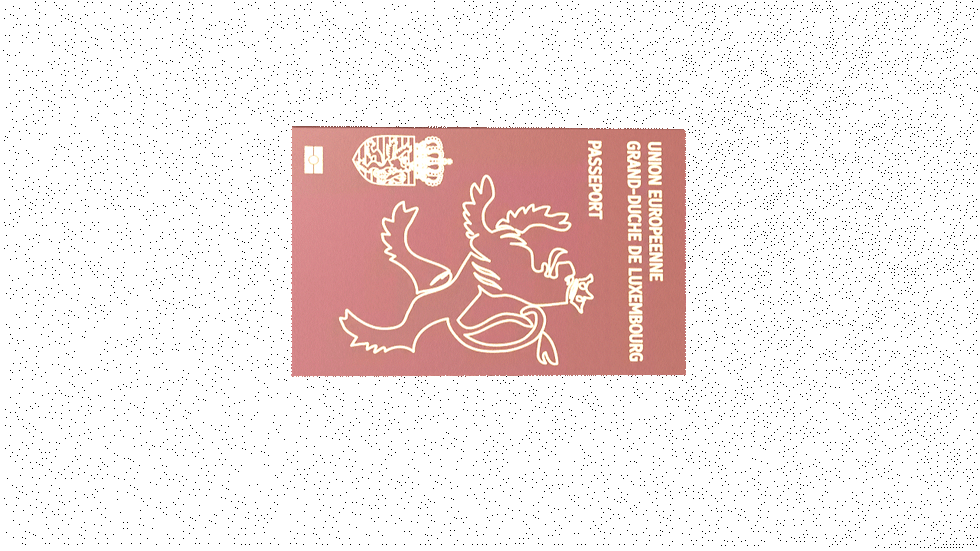
Passport and ID document reader
NFC reader
Smart card reader
Facial recognition camera
Barcode and QR scanner
Signature capture
Rugged tablet or handheld computer
This integrated approach reduces complexity while improving usability in the field.

Fewer Devices Mean Lower Costs
Every additional device increases project costs.
A consumer tablet often requires separate accessories such as:
External fingerprint scanner
Passport reader
NFC reader
Smart card reader
Protective case
Power bank
Mounting equipment
Additional cables
Each accessory must be purchased, transported, configured, maintained, and eventually replaced.
An all-in-one biometric device eliminates much of this complexity by integrating these capabilities into a single platform.
Faster Deployment
When equipment arrives at a deployment site, every minute spent assembling hardware delays operations.
With an all-in-one solution, operators can begin enrollment much faster because fewer components need to be connected and configured.
This is particularly valuable for:
National ID registration
Civil registration campaigns
Border checkpoints
Election registration
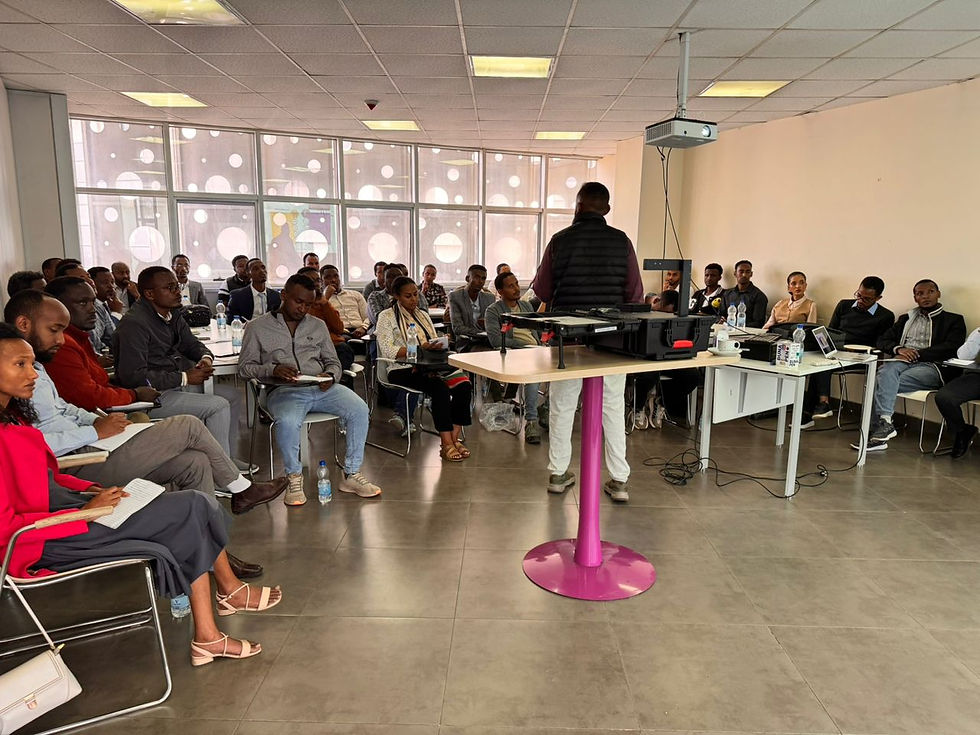
Mobile enrollment teams
Reduced Training Requirements
Training operators becomes easier when they only need to learn one device instead of several independent peripherals.
A consistent interface helps reduce errors and allows new operators to become productive more quickly.

Fewer Points of Failure
Every cable, connector, and external accessory introduces another potential failure point.
Integrated biometric devices reduce the number of separate components, resulting in:
Improved reliability
Less troubleshooting
Lower maintenance costs
Reduced downtime
For large-scale government projects, increased reliability can have a significant operational impact.
Easier Transportation
Field enrollment teams often travel to remote locations.
Transporting one integrated device is considerably easier than managing multiple peripherals, chargers, cables, and carrying cases.
This improves mobility while reducing setup and packing time.
Lower Total Cost of Ownership
Procurement teams increasingly evaluate the total cost of ownership (TCO) rather than purchase price alone.
An all-in-one biometric solution can help reduce long-term costs through:
Fewer accessories
Reduced maintenance
Lower replacement rates
Faster deployments
Simplified logistics
Less operator training
Higher field productivity
While the initial purchase price may vary, integrated solutions often provide better value throughout the lifecycle of a deployment.
BioRugged All-in-One Biometric Solutions
BioRugged designs biometric hardware that brings multiple identity technologies together in a single rugged platform.
Frequently Asked Questions
Where are all-in-one biometric devices used?
They are commonly used for national ID programs, civil registration, border control, elections, banking KYC, healthcare, and humanitarian operations.
What is an all-in-one biometric device?
An all-in-one biometric device combines multiple identity capture technologies—such as fingerprint scanning, document reading, NFC, and facial capture—into a single platform.
Conclusion
Reducing deployment costs isn't simply about purchasing less expensive hardware—it's about reducing complexity.
All-in-one biometric devices streamline installation, simplify field operations, and reduce the need for multiple accessories. For organizations deploying identity solutions at scale, fewer components can mean faster deployments, lower maintenance, and a lower total cost of ownership over the life of the project.


